In the Indiana Fever's matchup against the Golden State Valkyries, Caitlin Clark spoke about a key play in the second quarter that drew attention for its physical nature and the officials decision. Clark described the moment when she drove to the basket and made contact with Valkyries center Kiah Stokes. She noted that she felt the contact warranted a foul call, but none was awarded on the floor.
Clark explained that the lack of a whistle led her to turn toward the referee and voice her concerns directly. She emphasized that consistent calls are important in a league where physical play is common, especially for players driving to the rim. The Fever guard said the sequence affected the flow of the game at that point, with the score tight entering the middle of the second quarter.
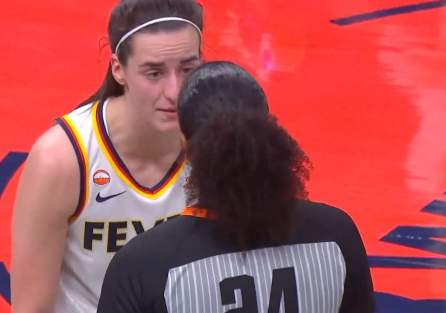
The play happened with roughly five minutes left before halftime. Clark appeared to limp after the contact and stepped away briefly, though she returned to support her team from the bench. Indiana Fever coach Stephanie White has previously highlighted similar situations where missed calls on her star player raised questions about player safety and game flow.
Clark connected the incident to broader patterns in recent games, where she and her teammates have faced strong defensive pressure. She stressed that her focus remains on execution and helping the Fever compete, while also advocating for clearer standards from officials to keep games fair for all involved. Kiah Stokes, a veteran defender known for her physical style, was part of the Valkyries effort to contest drives throughout the contest.
The Fever and Valkyries series has featured competitive play on both ends. Clark's comments came as part of her ongoing dialogue about the challenges of WNBA basketball, including how contact is judged in real time. She said these moments test a player's ability to stay composed and move forward without letting one call define the outcome.
Officials reviewed other plays in the game as well, but the second-quarter sequence with Stokes stood out for the immediate reaction it sparked. Clark added that communication with referees is a normal part of competition, and her goal is always to keep the focus on the team and the next possession. The incident fits into a season where the Fever have dealt with several tight games and physical matchups.
Clark's perspective reflects the view of many competitors who want rules applied evenly to maintain the sport's balance. The Fever will look to build on their performance as they prepare for upcoming games in a competitive Eastern Conference race.