On July 2, 2026, the FIFA World Cup moves deeper into the knockout stage with three Round of 32 matches. These games determine which teams advance to the round of 16. The schedule includes Spain against Austria, Portugal versus Croatia, and Switzerland meeting Algeria. Each matchup brings together teams with different strengths, histories, and current forms. Winners will face tougher challenges ahead in the tournament hosted across the United States, Canada, and Mexico.
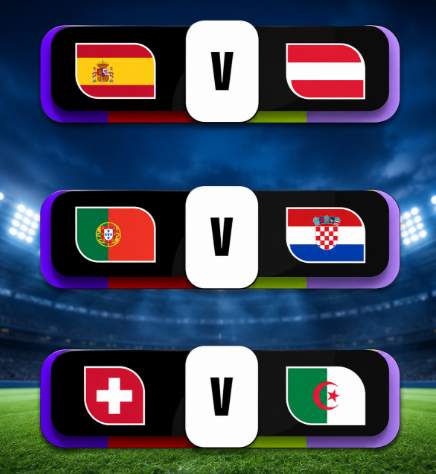
The first game kicks off at SoFi Stadium in Inglewood, California. Spain takes on Austria. Spain enters as one of the stronger sides in this part of the bracket. Their squad features young attacking talent such as Lamine Yamal, who has shown strong performances in recent international games. Yamal connects well with midfield creators and provides speed on the wings. Spain also relies on experienced players in defense and midfield to control games. Austria brings a solid defensive structure and counter attacking threat. Their back line works as a unit to limit space, while forwards look for quick transitions. The match links Spain’s possession based style to Austria’s organized approach. Spain holds the edge in overall quality and depth, but Austria can make it difficult if they stay compact. Key players to watch include Yamal for Spain and any central defenders or midfielders who can disrupt Spain’s build up for Austria. A win here would give Spain momentum heading into the next round.
Later in the day, Portugal faces Croatia at BMO Field in Toronto. This game connects two teams with deep tournament histories. Portugal features Cristiano Ronaldo, whose experience and finishing ability remain central to their attack even at an advanced age. Ronaldo links with creators like Bruno Fernandes to create chances. Croatia relies on veteran leadership from Luka Modric in midfield. Modric controls tempo and connects passes that open spaces for teammates. Both sides have strong defensive cores that limit opponents. The matchup pits Portugal’s attacking depth against Croatia’s tactical discipline and set piece threat. Portugal often controls more of the ball, but Croatia has shown it can grind out results in knockout games. Players to watch center on Ronaldo for Portugal and Modric for Croatia. The winner advances with confidence from overcoming a familiar style opponent.
The final match of the day starts at BC Place in Vancouver. Switzerland plays Algeria. Switzerland brings a balanced team with strong midfield control through players like Granit Xhaka. Xhaka connects defense to attack and helps maintain possession. Their back line stays organized, which supports quick transitions. Algeria offers pace and direct play from forwards who can stretch defenses. Their style links individual skill with team pressing. This game often turns on midfield battles and how well each side handles transitions. Switzerland tends to edge possession games, while Algeria looks for moments to counter. Key players include Xhaka and supporting midfielders for Switzerland, along with Algeria’s attacking threats. A victory here sends the winner into the round of 16 with renewed belief.
Overall, July 2 highlights how experience meets youth and how team organization meets individual quality. Spain appears the clearest favorite based on squad depth and recent form, while Portugal and Switzerland face more even contests. The results will shape the paths for these teams and set up interesting round of 16 matchups. Fans can follow how key players like Yamal, Ronaldo, Modric, and Xhaka influence their sides in these high stakes games.